|
|
Last Modified on Jul 13, 2026
What Happens at a Criminal Court Hearing in California? – Step-by-Step Guide
If you are wondering what happens at a criminal court hearing in California, it may mean you or a loved one is facing criminal charges. Whether this is your first experience with the justice system, it can be an intimidating experience.
Understanding what a criminal court hearing consists of can help you prepare with confidence for whatever your circumstances may be, so that you can hire the most effective DUI lawyer in Los Angeles.
Understanding a Criminal Court Hearing
In 2024, there were approximately 810,400 arrests across the state of California, or 2,069 arrests per 100,000 residents. The overall arrest rate increased by 4.2 percent between 2023 and 2024. Between the bustling tourism industry, the proximity to multiple neighboring states and countries, and the variety of locales from the mountains to the desert, the types of crimes and their circumstances can vary greatly.
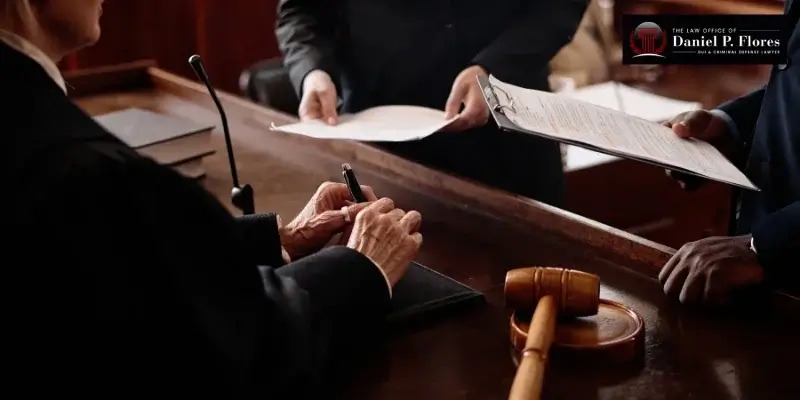
If you or a loved one has been arrested or charged with an offense, the situation can easily start to feel overwhelming. When you have no experience with the criminal justice system, you may begin to worry about how hearings and other parts of the process work. Often, we believe the criminal court system is as we see on TV, but it is much more complex and less glamorous than you may think.
You may attend multiple hearings depending on how your case progresses. The first hearing is known as an arraignment. This is where the judge reads out what the official charges against you are, in addition to explaining your constitutional rights and verifying your legal representation. This is also when you could enter a plea, either guilty, not guilty, or no contest.
Other types of court hearings you may encounter include:
- Preliminary hearing. In a felony case, this hearing is where the prosecutor submits evidence to the judge. The judge then determines whether there is probable cause related to the charges against you.
- Second arraignment. If probable cause is found during a felony preliminary hearing, a second arraignment must take place soon after.
- Sentencing hearing. After a guilty plea or in the event of a conviction, a sentencing hearing takes place to determine what penalties are appropriate for the crime.
If you are convicted in your case, remember that your legal battle does not have to end there. You and your attorney can review the case in its entirety and look for procedural errors or mishandlings of the case that could qualify you to file an appeal, declare your case a mistrial, or any number of circumstances that could reverse the conviction, even temporarily.
If you have been arrested, it is important to speak with a qualified defense attorney who can help you prepare for any criminal court hearings you may go through over the course of your case.
Where Do Criminal Court Hearings Happen?
Hearings in criminal defense cases typically happen at the courthouse for the county where the alleged offense took place. For example, most case proceedings, including hearings near West Covina, are overseen by the Los Angeles County Superior Court system at the West Covina Courthouse.
More serious felony proceedings may instead be processed by the Criminal Division of the Pomona Courthouse South, which is located at 400 Civic Center Plaza, Pomona, CA 91766. Be sure to confirm any locations with your defense lawyer.
Hire a Criminal Defense Lawyer
You should hire a criminal defense lawyer to protect your rights, make the process more manageable, and improve your chances of reaching a favorable outcome. California criminal defense laws can be confusing and intimidating. With the help of a qualified California criminal defense attorney, you don’t have to face the justice system alone. Look no further than The Law Office of Daniel P. Flores if you need a strong legal advocate.
We have assisted in countless misdemeanor and felony cases, large and small. Attorney Daniel Flores and his team have successfully argued motions to dismiss, motions in limine, and motions to suppress. He is dedicated to challenging charges on his clients’ behalf and finding a legal solution that works for their specific circumstances. When you work with us, you can feel reassured that your case is in capable hands.
FAQs About California Criminal Court Hearings
What Happens During an Arraignment Hearing?
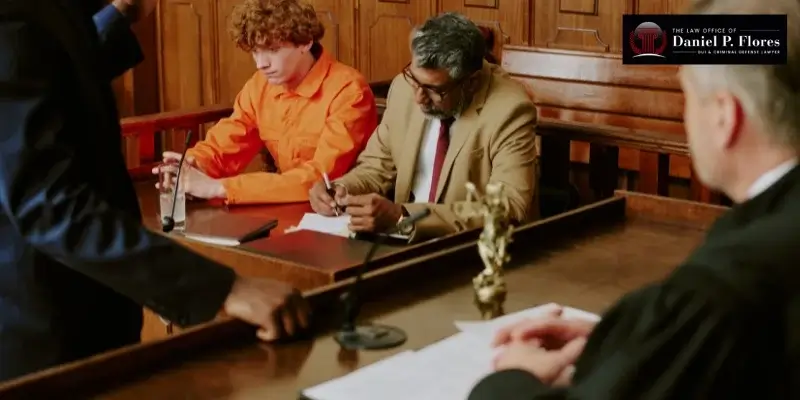
In California, an arraignment hearing is the first formal court appearance, where the defendant is read the charges the district attorney has filed against them. This hearing is also held in front of a judge. During an arraignment, once the charges have been read out, the accused party also verifies their legal representation and could submit their plea. The arraignment is also where the judge sets bail or alters existing conditions, if applicable.
What Are the Steps of the Criminal Court Process?
After the arraignment hearing, the next step of the criminal court process in California is the pretrial phase. This phase includes discovery, the exchange of evidence, motion practice, and negotiations between the prosecution and the defense. If the case isn’t resolved during pretrial proceedings, it moves to the trial phase. In the event of a guilty plea or conviction, the next step is the sentencing hearing and, when necessary, post-conviction relief actions.
What Is a Sentencing Hearing in California?
A sentencing hearing in California is where the judge determines what an appropriate sentence for the defendant would be. Both the defense and the prosecution have the chance to explain what they feel would be a fair sentence. This is when mitigating and aggravating circumstances of the crime may be explored to justify the extent of the penalties. Your defense attorney is there to negotiate on your behalf for reduced and minimal punishment.
How Should I Act During My Court Hearing?
To avoid negatively impacting your case, you should be sure to dress appropriately in formal attire and arrive on time. Being punctual reflects positively on you and allows you to consult your attorney. During the hearing, you should remain composed and pay attention as the charges and proceedings are explained to you. Whenever you address the judge, take care to speak respectfully and clearly. Your legal counsel can help you prepare for the court hearing and help you navigate it.
Contact California Criminal Defense Lawyer
Take steps to protect yourself and improve your chances of a favorable outcome by working with strong legal counsel. At The Law Office of Daniel P. Flores, we are there for you every step of the way. We are proud to prioritize our clients’ needs and find a solution tailored to their unique situation. Contact us today to schedule an initial meeting with a competent criminal defense lawyer.